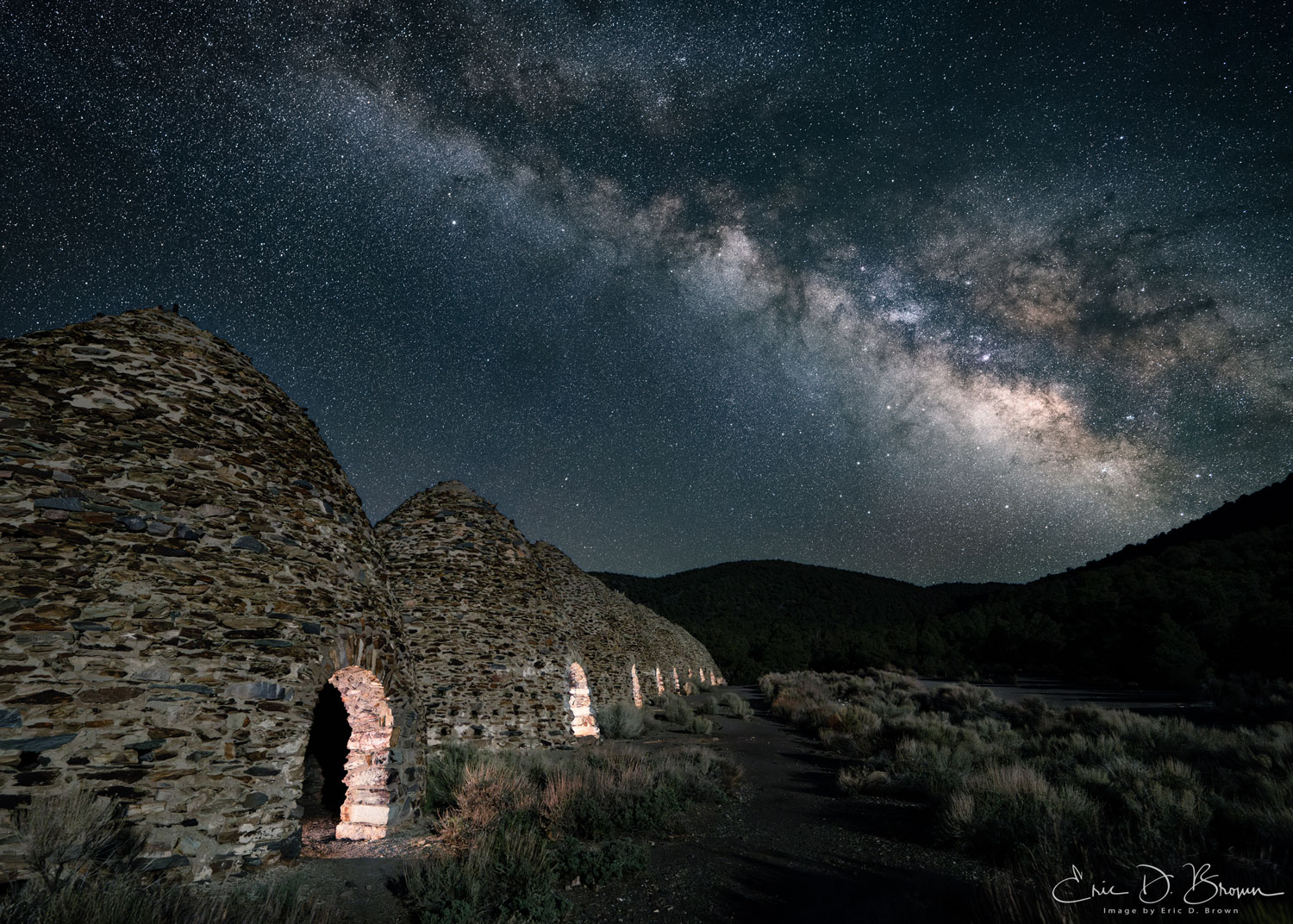
Milky Way galactic core rising over a dark landscape
    Astrophotography Planning

    Plan Your Perfect Night

    See exactly when the galactic core is visible, how the moon affects your shoot, and which nights are worth the trip.

    Free to use — no account required.

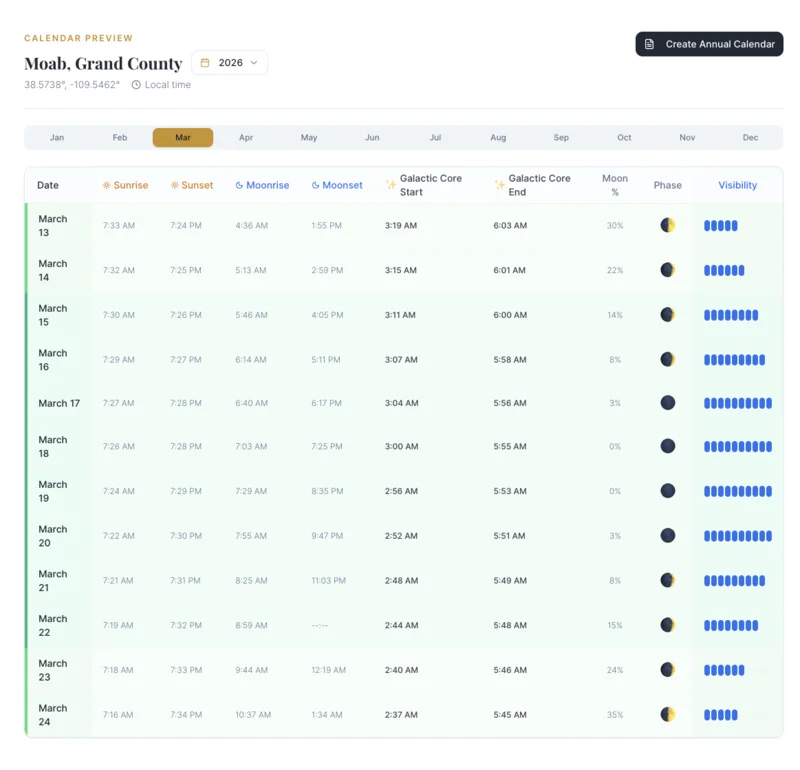
    Milky Way visibility calendar showing nightly ratings, galactic core timing, and moon phases for Moab, Utah

    See every night rated at a glance

    Enter any location and get a complete month of Milky Way visibility data. Galactic core timing, moon phases, sunrise/sunset — everything you need to pick the perfect night.

    Free — no account required.

    Premium

    Unlock the full toolkit

    $25/year($2.08/mo)
    • ✦Moon Planner with supermoon tracking
    • ✦Multi-stop Trip Planner
    • ✦Unlimited saved locations
    • ✦PDF, Excel & calendar exports
    • ✦Full yearly planning view
    Start Premium Account

    Cancel anytime.

    Workshops

    Learn from the pros

    Find astrophotography workshops at dark sky locations worldwide, or list your own to reach thousands of photographers.

    For Workshop Leaders

    List your workshops where photographers are actively planning their shoots. $200/year, unlimited listings.

    List Your Workshop
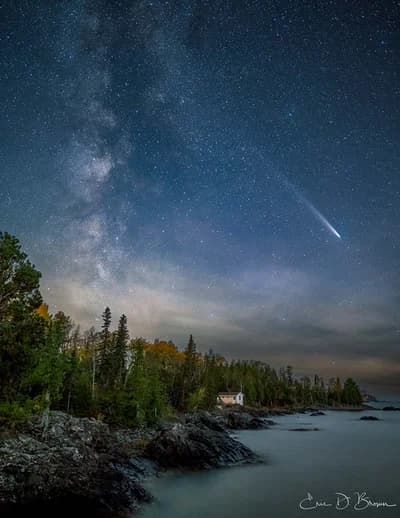
    Milky Way and comet over Lake Superior

    Why I built this

    If you've ever driven hours to a dark-sky location only to find the galactic core below the horizon, or washed out by a moon you didn't account for, you know why planning matters.

    Milky Way photography depends on three things at once: core above the horizon, moon down or near new, and enough darkness. Miss any one and you're going home empty-handed.

    I built this because I got tired of cross-referencing multiple apps to figure out whether a trip was worth planning. So I built one tool that does it all: galactic core timing, moon phases, visibility ratings, everything you need to decide if a night is worth the drive.

    Eric D. Brown, D.Sc.
    Photographer

    Newsletter

    Stay Under the Stars

    Get exclusive astrophotography tips, celestial event alerts, and location guides delivered to your inbox.

    No spam, ever. Unsubscribe anytime.

    FAQ

    Common questions

    The Milky Way's galactic core is best photographed from February through October in the Northern Hemisphere. The core is most visible during new moon phases when there's minimal light interference. Our Milky Way Planner calculates exact visibility windows and rates each night on a 1–10 scale for your specific location. Learn how this tool was built by an astrophotographer who needed a better way to plan shoots.

    The Milky Way's galactic core rises in the southeast and arcs across the southern sky (in the Northern Hemisphere). Use our planner to get precise rise and set times with compass directions for your location. On the best nights, you'll see the core as a bright, cloudy band stretching across the sky — especially from dark sky locations away from city lights.

    A new moon (0% illumination) provides the darkest skies and is ideal for Milky Way photography. Nights within a few days of the new moon also work well. For moon photography itself, a full moon or crescent moon can create dramatic compositions. Our Moon Planner tracks every phase and highlights the best nights for both scenarios.

    At minimum, you need a camera with manual controls, a wide-angle lens (14–24 mm, f/2.8 or wider), and a sturdy tripod. A full-frame camera performs best in low light. Typical settings are ISO 3200–6400, f/2.8, and 15–25 second exposures. A star tracker mount lets you take longer exposures without star trails. Have questions about gear? Get in touch — we're happy to help.

    At latitudes above roughly 48.5°N — including northern Canada, Scotland, Scandinavia, and similar regions — the sky never reaches full astronomical darkness during summer. The sun stays too close to the horizon, creating a persistent twilight glow that washes out the Milky Way core. This is a real physical limitation, not a bug. The Milky Way season at high latitudes typically runs from March through May and August through October. For the best results, plan your shoots during these shoulder months when true darkness returns. Our Milky Way Planner will show you exactly which months have visibility at your location.

    Start by checking galactic core visibility and moon phases for your dates using our Milky Way Planner. Choose a dark sky location away from light pollution, and check historical cloud cover data. Our Trip Planner lets you build multi-stop itineraries with date-specific visibility ratings for each location, so you can maximise clear-sky opportunities across your trip. Check out our story to see why we built these tools.